
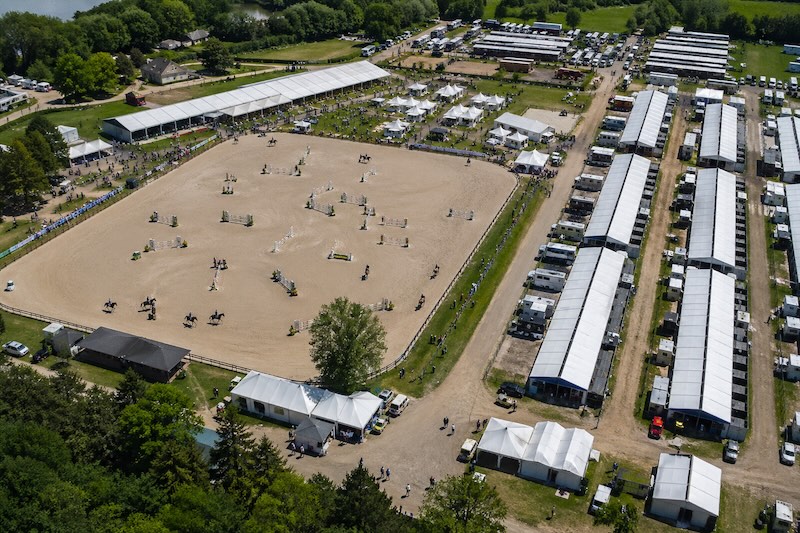
A smooth horse show starts long before the first ride. If the stabling is crowded, poorly ventilated, hard to clean, or confusing to navigate, stress rises for horses, riders, grooms, and organizers fast. Good event stabling does the opposite. It supports horse welfare, keeps daily routines efficient, improves safety, and makes the entire show feel more professional.
If you are planning stabling for a horse show or equestrian event, focus on five priorities first: layout, safety, airflow, access, and daily management. Give each horse enough room to settle, create clear aisles for traffic and emergency access, use durable stall systems built for equine use, provide dependable ventilation, and think through chores like feeding, mucking, and water delivery before the first trailer arrives. Those decisions will shape everything that follows.
That is where FEI Stabling stands out. Rather than offering a one size fits all setup, FEI Stabling provides modular portable horse stalls, rental or purchase options, and full support from planning through installation. With leadership shaped by real equestrian experience and a strong focus on horse safety, the company brings a more complete and event ready approach than brands that focus mostly on decor or temporary convenience. You can learn more about the company’s event focused process on the About FEI Stabling page.
Start with the flow of the show grounds
Before you choose stall types or place a single panel, map how the stable area will actually function. The best setups are designed around movement.
Ask these questions first:
- Where will trailers enter and unload?
- How will horses move safely between stabling, warm up, rings, wash areas, and veterinary spaces?
- Where will manure, bedding, and feed be stored?
- Can emergency vehicles reach the barn area easily?
- Will the setup still work well during rain, heat, or heavy traffic hours?
A practical stable layout reduces bottlenecks and limits horse to horse stress. Wider aisles, obvious signage, and clear separation between active traffic zones and resting stalls make a major difference. If your event includes a high volume of horses, think in zones. Group stalls by discipline, barn group, or class schedule when possible. That makes check in simpler and daily management much easier.
Choose the right portable stall system for the event
Not every horse show needs the same stabling format. The number of horses, length of the event, footing, climate, and site conditions all affect which configuration works best.
FEI Stabling offers several options depending on your site and goals.
Barn Style stalls for larger and more flexible setups
Barn Style stalls are a strong choice for large equestrian events or venues that need more than standard rows of stalls. Because they can be adapted for veterinary blocks or wash areas, they work especially well when you need flexibility across the grounds. Their nail free construction, kick through resistant partitions, and open eave design also support horse safety and airflow.
Back to Back Quickstables for efficient event layouts
Back to Back Quickstables are ideal when you need an efficient footprint and strong separation between horses. With galvanized steel frames, splinter resistant HDPE partitions, and 7.5 foot high dividers, they are built for demanding event conditions. For busy show grounds, that extra separation can help reduce tension and unwanted horse to horse interaction.
Single Row Quickstables for adaptable temporary expansion
Single Row Quickstables are a smart fit for venues that need flexible expansion or a standalone temporary stable row. They can also integrate with an existing barn, which is useful for facilities hosting seasonal events or overflow entries. Optional accessories like lighting and rubber stall mats make them even more event ready.
What makes FEI Stabling different is not just the stall inventory. It is the combination of modular design, equine centered safety features, and turnkey planning support. That matters when your timeline is tight and your event cannot afford guesswork.
Put horse safety and comfort at the center
A show stable is temporary for people, but it is home for the horse during the event. Comfort and safety should drive every decision.
Prioritize these essentials:
- Safe materials
- Choose stall systems with nail free construction and durable partitions. Splinters, sharp edges, and exposed hardware should never be part of the setup.
- Strong dividers
- Solid or high partitions help reduce biting, kicking, and stress between neighboring horses. This is especially important with unfamiliar horses in a busy environment.
- Ventilation
- Fresh airflow matters for respiratory health, heat management, and overall comfort. Open eave designs and thoughtful stall placement help prevent the barn area from feeling closed in or stale.
- Appropriate footing and mats
- Stable footing should support drainage and reduce slipping. Rubber mats improve comfort and make cleaning easier, especially for multi day events.
- Lighting
- Stabling areas need enough light for safe handling, night checks, and feeding without creating a harsh environment for the horse.
If you need more practical horse care guidance, the FEI Stabling blog includes educational resources on topics like stall comfort, lighting, bedding, and maintenance.
Plan daily operations before horses arrive
One of the biggest mistakes event organizers make is treating stabling as a structure only. In reality, the setup must support daily routines from sunrise to lights out.
Build your plan around these operating needs:
Feed and water access
Every stall should be easy to reach with feed carts, hay, and water. If water points are too far away or hoses cross high traffic areas, you create delays and safety issues. Think through refill times, drainage, and backup access in advance.
Mucking and waste removal
Manure management affects cleanliness, odor, labor, and the overall impression of the event. Create designated waste areas that are easy to reach but far enough from horse traffic and feed storage. Do not wait until move in day to decide where waste will go.
Bedding storage
Keep bedding dry, accessible, and organized. If your event runs over several days, estimate replenishment needs before opening day. Overstocking can crowd the site, but under ordering creates stress and unnecessary deliveries.
Staffing and barn checks
Assign clear responsibilities for check in, stall assignments, overnight supervision, and emergency response. Even the best stall system needs good management behind it.
Create a setup that works for people too
A horse show stable should support horses first, but people need to work in it efficiently. Grooms, trainers, veterinarians, and staff will spend long hours in the space, so convenience matters.
Make sure the stabling area includes:
- Clear aisle widths for horses and equipment
- Easy to read stall numbering
- Logical placement of tack and supply areas
- Safe routes to wash stalls and veterinary spaces
- Access to power and lighting where needed
- Clean and visible emergency information
Simple operational details save time all day long. They also create a more polished experience for exhibitors and show staff.
Think beyond move in day
Temporary stabling still needs a full event lifecycle plan. That means thinking about installation, use, and removal as one process.
With FEI Stabling, clients can work with a team that handles consultation, site assessment, delivery, and installation. That full service approach is a meaningful advantage over solutions that leave organizers to manage the hardest logistics themselves. When the event schedule is full and multiple vendors are involved, having one experienced partner for the stabling process reduces risk and saves time.
If you are comparing options for an upcoming event, you can request a quote from FEI Stabling or contact the team directly to discuss layout, timing, and site requirements.
Common mistakes to avoid
Even experienced organizers can run into preventable stabling issues. Watch out for these common problems:
Underestimating space needs
Trying to maximize stall count at the expense of aisle width, wash areas, or service access usually creates a worse experience for everyone.
Ignoring airflow
A crowded stable area with poor ventilation can quickly become hot, damp, and uncomfortable. Air movement should be part of the plan from the start.
Choosing stalls based on price alone
The cheapest option is rarely the best value if it causes safety concerns, extra labor, or a poor exhibitor experience. Durability and horse welfare matter.
Overlooking installation support
Temporary stabling is not just a product. It is a logistical project. Professional setup support can make the difference between a smooth opening and a stressful scramble.
Forgetting special use spaces
Large events often need more than rows of standard stalls. Veterinary blocks, wash bays, stallion accommodations, and isolation areas should be considered early.
A simple stabling checklist for event planners
Use this quick checklist as you plan:
- Confirm horse count and stall dimensions
- Match stall type to event format and site conditions
- Map traffic flow for horses, trailers, and staff
- Plan ventilation, lighting, drainage, and footing
- Designate wash, veterinary, feed, bedding, and waste areas
- Create stall numbering and signage
- Arrange installation and removal schedules
- Confirm emergency access and overnight protocols
- Prepare a daily operations plan for water, feeding, and mucking
- Communicate stable rules and logistics to exhibitors before arrival
Build a stable area that supports the whole event
The best horse show stabling does more than house horses. It creates a safer, calmer, more efficient event from the ground up. When the setup is right, horses settle more easily, staff work more efficiently, and exhibitors notice the difference.
FEI Stabling brings a stronger event planning advantage than brands focused mainly on making stalls feel decorative or temporary. With modular systems designed for horse safety, flexible layouts for real event conditions, and end to end support from consultation through installation, FEI Stabling helps organizers create stabling that performs as well as it looks.
If you want your next event to run more smoothly from arrival to final day, start with the stable plan. It is one of the most important decisions you will make.