
Many equine owners are familiar with the strong smell of horse urine, which, if left untreated, can create odor problems and an unpleasant environment. In more severe cases, it can contribute to respiratory issues and other concerns.
Regular cleaning and proper ventilation can go a long way in controlling horse urine odors and preventing ammonia buildup. Monitoring your horse’s urine output and odor can also help detect any health concerns and address them accordingly.
This article outlines the best ways to create a healthier, more enjoyable barn, control the smell of horse urine in stalls and stables, and understand the root causes of the odor so you can ensure your horse is feeling its best.
Understanding the Urinary System of Horses
It’s common to want to give your horse privacy while it relieves itself, yet paying attention to the smell and color of the urine can help identify problems and encourage early intervention if needed.
Normal horse urine can vary from very pale to darker, cloudy or milky. If the horse is well hydrated, the urine will be more pale yellow. A dark yellow color indicates that the urine is more concentrated.
It can also appear orange-red due to compounds that oxidize in light or look cloudier or milky due to calcium salts. However, if the urine is orange-red as it leaves the horse’s body, it may indicate a problem.
There may also be a faint ammonia smell. Depending on the diet, especially if it’s high in protein, the urine might have a stronger ammonia odor. The smell can be more noticeable if the horse is in heat or if the urine isn’t cleaned up promptly, as bacteria break down the urea into ammonia gas.
The horse’s urinary system, consisting of the kidneys, ureters, bladder and urethra, plays a crucial role in removing waste from the body. The kidneys filter blood to produce urine, which is stored in the bladder before being expelled.
The smell of a horse’s urine can signal underlying health issues, like a urinary tract infection or kidney stones. For this reason, bloody urine can be a sign of a serious health concern and should be evaluated by a veterinarian.
Recognizing these signs early helps horse owners seek care promptly, ensuring any underlying health issues are addressed quickly and effectively.
Factors Affecting Horse Urine Smell
There are a variety of factors that can contribute to a strong urine smell, ranging from an unkept stall to underlying health issues. With a consistent approach, eliminating these odors is not only possible but manageable as part of your daily barn routine.
When urine isn’t cleaned up promptly, it seeps into porous surfaces, such as gaps in stall mats, creating an ideal environment for bacteria to thrive. As bacteria multiply, they produce ammonia gas, and in poorly ventilated spaces, the smell can build to noticeable levels, causing respiratory concerns and other issues.
Removing soiled bedding and manure daily, along with weekly stall stripping and disinfecting, helps prevent ammonia buildup and promotes a healthier environment for horses and people.
Managing Horse Urine Output
Concentrated urine and muck can lead to a stronger smell, which may be caused by factors such as dehydration, a high-protein diet or insufficient water intake. Additionally, the presence of calcium carbonate crystals in the urine can contribute to its distinct odor. These are more commonly found in horses on a high-protein diet and can sometimes cause kidney stones.
A sudden or unusually strong odor may require veterinary evaluation, as it can sometimes signal an underlying problem.
Ensuring horses are well-hydrated dilutes urine, reducing ammonia concentration and preventing strong odors.
However, for each horse’s unique needs, horse owners should consult with an equine nutritionist to help create a diet plan that meets their horse’s individual requirements.
Cleaning and Disinfecting Horse Urine in Stalls and Stables
Regular use of enzyme cleaners helps keep the barn environment fresher and more comfortable for both horses and their caretakers. Some of the best options for eliminating urine stains and odors include Bissell and Nature’s Miracle.
Additionally, odor eliminators, such as sweet PDZ, can be used to absorb and eliminate odors. Sweet PDZ is specifically designed to eliminate horse urine odor by absorbing and neutralizing ammonia.
If you’re interested in a more natural, cost-effective method, some horse owners prefer adding moisture-absorbing products, such as barn lime, to stalls and stables to help reduce unwanted smells.
Proper ventilation and good air circulation, especially in areas with dirt floors, are essential. Keeping windows open, using fans or improving barn design helps prevent ammonia buildup and keeps the barn fresh.
Choosing a Clean Stall for Your Horse’s Needs
Keeping stalls clean and dry can help reduce the smell of horse urine and other unpleasant odors. Using stall mats and absorbent bedding materials can help trap moisture and further reduce unwanted smells.
By understanding the root cause of the smell and taking proactive steps to eliminate odors, horse owners can maintain a healthier barn environment, which is crucial to supporting their horses’ overall health and well-being.
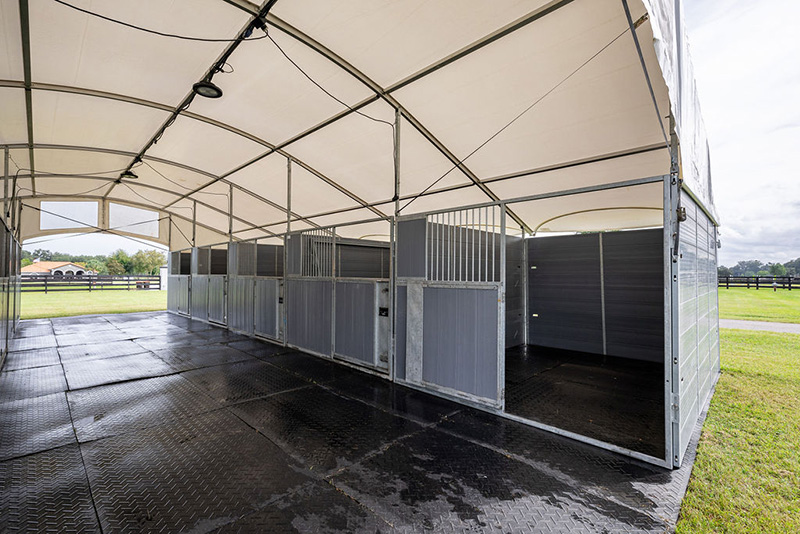
At FEI Stabling, our temporary stall rentals are thoroughly cleaned and disinfected to ensure a safe, healthy and comfortable space for your horse, helping them remain calm and happy during their stay. Whether you’re looking for a short-term solution or a longer arrangement, we provide secure and convenient options tailored to your horse’s needs. Our team will handle stall setup and maintenance, ensuring each space is spotless and odor-free so you can concentrate on helping your horse feel their best.